
Ultron 4 Pro and Avenger 2 Pro: The Real Test
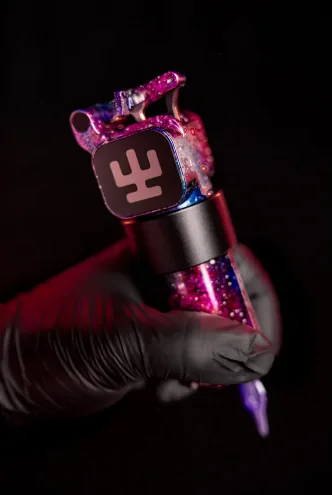
I don’t test gear in theory; I test it in practice, under real pressure, when time is tight, skin shifts, and fatigue sets in. I run Vlad Blad tattoo machines through lining, color packing, and black-and-gray, then check the healed work weeks later. I track voltage, needle setup, and hand speed. The question stays the same: will this machine keep me consistent when the session runs long and the skin keeps changing?
Specs are a starting point. I judge the strike at the needle: entry, dwell, exit. Does it land clean, hold depth, and release without trauma? If a machine cuts decision fatigue and lets me focus, it earns a place on the tray.
Control at the Needle: Algorithm or Arm?
Ultron 4 Pro runs a closed loop. It senses resistance mid stroke and trims power to keep depth and hit stable. Think of an automatic gearbox that finds the right gear on a weird road. Modes let me bias the feel toward soft or firm without chasing voltage.
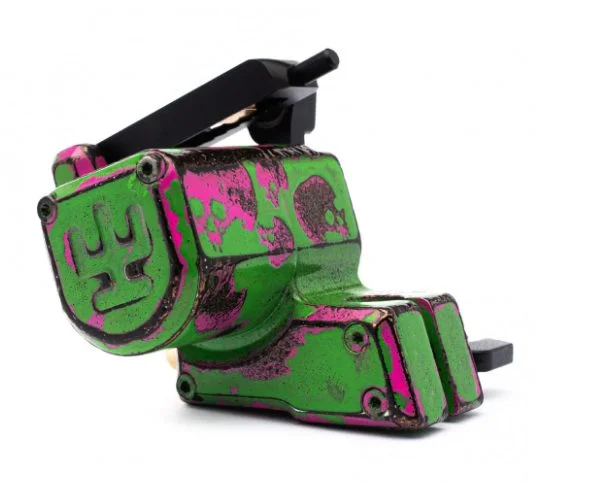
Avenger 2 Pro is pure mechanics. Stroke, cam geometry, and Vlad Blad Avenger voltage are directly on the mark. If you like playing the instrument, the feedback is honest and linear.
Neither approach is universally right. Do you want smoothing of skin variability and cartridge stiffness, or unfiltered cause and effect? As one old-schooler put it, electronics are a spotter at the gym; they don’t lift the weight, they just keep you from doing something dumb.
Comfort That Survives Hour Eight
Ultron centers mass near the grip, keeping my wrist neutral with lower perceived vibration and a calmer sound. Cordless operation removes cable tug, which matters after hours of blending.
Avenger’s comfort is modular. I swap grip diameters and textures, then run from a reliable PSU. A compliant cable adds a touch of drag; I use it like the weight of a brush, subtle and stabilizing on long, straight pulls. Because the chassis is mechanically clear, hand changes map predictably to the mark.
Power, Skin, and the Healed Picture
With Ultron, entry is tempered. Microsurges at the membrane are ironed out, depth stays stable as tissue density or cartridge stiffness changes, and blends remain smooth when I shift angles. Modes let me aim for the feel-soft but decisive black-and-gray, snappier for color without voltage hopscotch.
With Avenger, the strike is defined by mechanics and your chosen voltage. Ramp, bite, and release follow the cam and torque profile, so the rhythm in your hand becomes the rhythm on skin. For single-pass lines, this is gold; once you find the cadence, the cycle rewards timing and pressure discipline.
On thin, elastic zones like inner biceps, Ultron’s moderated entry helps avoid dot gain and blowouts. On tougher areas such as shins or upper back, Avenger’s defined bite places pigment efficiently, aiding dense packing and crisp edges. Healed results mirror it: Ultron tends to yield velvety fills and gradients; Avenger reads clean at distance with assertive edges.
Time Kept, Skin Safe
Ultron shines when a day mixes stations or styles. Presets let me jump from tight lines to gentle shading without detours through voltage tweaks. Cordless means fewer interruptions-no cable rerouting, no outlet hunting.
Avenger is a studio bench champion. With a stable PSU, it’s predictable to the minute. It runs cartridges and premade needles in a single chassis, so I pick needle architecture for the job. Maintenance is simple: replace wear items on schedule and keep cords clean.
Hygiene should be boring and perfect. Full sleeves are nonnegotiable. I barrier Ultron’s body and battery, then wipe with an alcohol disinfectant. On Avenger, I sleeve the frame and wrap the cord or connector. Only autoclave-rated parts, such as stainless grips, should be used, and should be kept fluids away from ports.
What Other Artists Notice – And Where I Agree
Ultron feedback is consistent: fewer mid-session tweaks, steadier depth on inconsistent skin, and quieter operation that lowers mental noise. Switching modes instead of juggling voltage is a small gain that compounds across big pieces.
Avenger fans praise the mapping between voltage and behavior. Mechanical stroke switching is quick, response is linear, and the wired supply removes battery guesswork. If you enjoy driving your machine-feeling the cam, hearing the beat is home.
Both camps chase the same outcome by different routes: controlled ink delivery with minimal rework. Ultron compresses decisions into presets and holds them. Avenger exposes core parameters so skilled hands can drive directly.
Which One Lives on My Bench?

For big blends, soft black-and-gray, or tightly scheduled days where setup minutes matter, I reach for Ultron 4 Pro. Stabilization keeps me honest when skin varies, and cordless flow protects concentration.
For decisive lines, controlled whip, or a bench workflow built around a bulletproof PSU, I pick Avenger 2 Pro. Mechanical transparency lets me define the strike exactly, and swapping between cartridges and premades on one chassis is practical.
My rule of thumb is simple: choose the control model that stays stable until the last pass, not just the first ten minutes. Prefer real-time stabilization and fewer tweaks? Ultron 4 Pro. Prefer direct mechanical control with a wired rig you can set by feel? Avenger 2 Pro. The best machine is the one that keeps your hands steady while your brain makes art.