
20 Sublime Foo Dog Tattoos
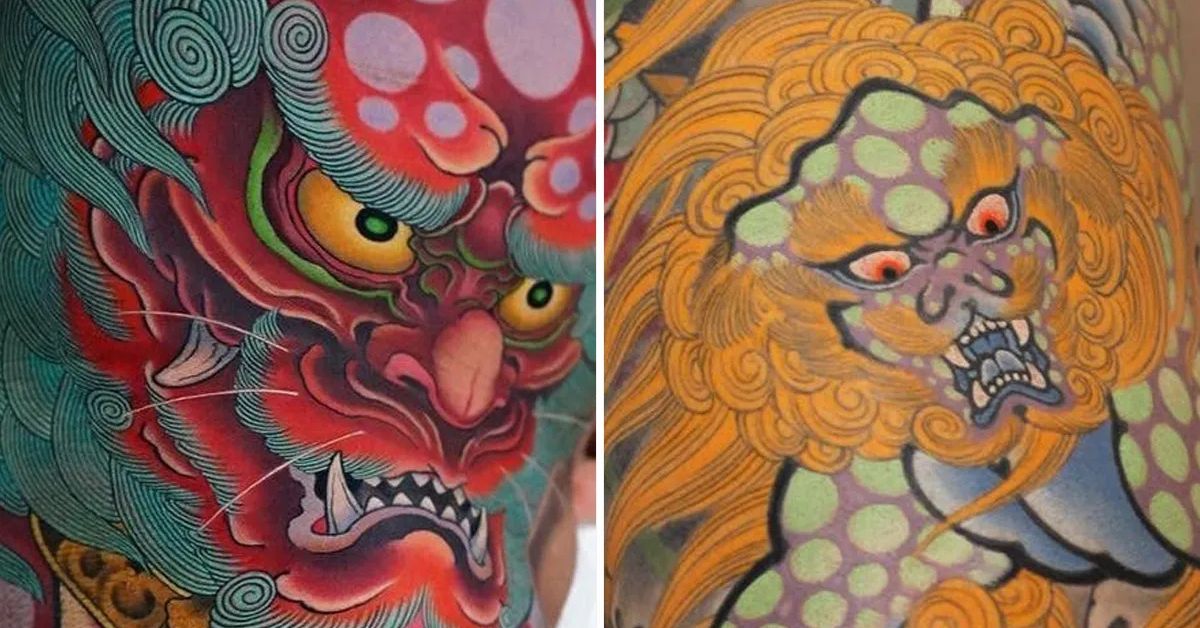
If you think all tattoos are created equal, prepare to be surprised by the unique allure of sublime Foo Dog tattoos. These magnificent designs not only capture the essence of ancient traditions but also serve as personal talismans for those who wear them.
We’ll present 20 breathtaking examples that celebrate the beauty and meaning behind these iconic symbols. Join us as we uncover the stories and artistry that make Foo Dog tattoos a standout choice for ink enthusiasts.
History of the Sublime Foo Dog Tattoos
The evolution of the Foo dog tattoo is deeply intertwined with the cultural significance of these guardian figures in Chinese history. As symbols of protection and prosperity, Foo dogs, or “Shishi,” became synonymous with safeguarding spaces from negative energies and malevolent spirits.
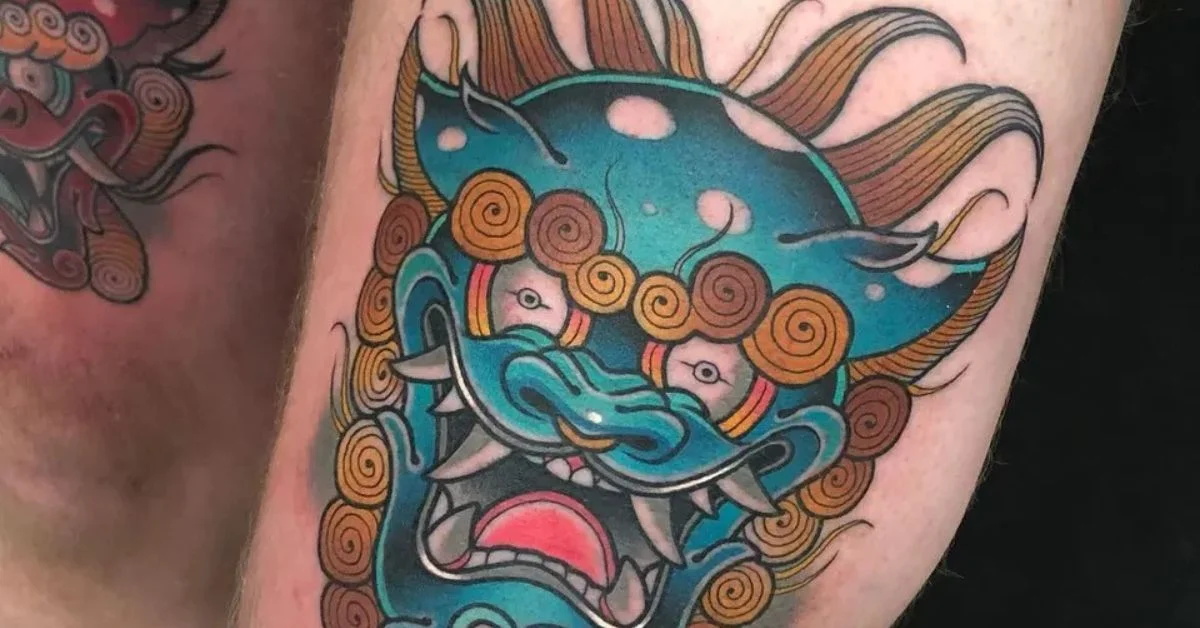
This belief led to their proliferation not only in stone statues but also in artistic expressions, including tattoos. The intricate designs of Foo dog tattoos often feature vibrant colors and elaborate patterns, reflecting the traditional artistry of Chinese culture while allowing for personal expression.
The tattoo serves as a reminder of the wearer’s connection to their roots and the enduring qualities of loyalty and protection that Foo dogs embody. With their striking appearance and rich historical background, Foo dog tattoos continue to captivate those who appreciate the fusion of art, culture, and spirituality.
Symbolism of the Foo Dog Tattoo
The symbolism of the foo dog tattoo extends far beyond its aesthetic appeal, intertwining cultural significance with personal meaning. Traditionally known as “guardian lions,” these mythical creatures are believed to ward off evil spirits and negative energies, making them a compelling choice for those seeking spiritual protection.

In contemporary tattoo culture, individuals often choose foo dog designs not only for their protective qualities but also as a representation of strength and resilience in the face of adversity.
Are Foo Dogs Chinese or Japanese?
The fascinating evolution of foo dogs into shisa in Japan highlights the cultural interplay between these two neighboring nations. While both Chinese foo dogs and Japanese shisa serve as guardians, their interpretations reflect distinct cultural beliefs and aesthetics.

In Chinese tradition, foo dogs are often depicted in pairs, symbolizing protection and balance, with one representing male energy and the other female. Japanese shisa often stand alone or in pairs, but they carry a more whimsical appearance, blending fierce lion-like features with playful dog attributes.
This transformation from the Chinese foo dog to the Japanese shisa underscores how cultural exchanges can lead to new forms of expression while retaining their core protective symbolism.
What is the Correct Name for Foo Dogs?
There are many different names that foo dogs go by, reflecting their rich cultural heritage and the variations in interpretation across regions.
Karajishi
The Japanese term for foo dogs is not merely ornamental figures; they embody rich cultural symbolism that resonates deeply within Japanese art and spirituality. These mythical creatures, often depicted in pairs, are believed to protect against evil spirits and negative energies, serving as guardians of both sacred spaces and homes.
Their fierce expressions and powerful stances convey strength and vigilance, making them a popular motif in various art forms, including Irezumi, the traditional Japanese tattooing technique.
Chinese Guardian Lions
Often referred to as foo dogs, they embody a rich tapestry of cultural symbolism and artistic expression. Unlike typical canines, these majestic sculptures are representations of lions, symbolizing strength, courage, and protection.
They are found in pairs, with the male lion usually depicted holding a ball or globe, representing imperial authority, while the female lion cradles a cub, symbolizing nurturing and familial protection.
This duality not only serves an aesthetic purpose but also reinforces the balance between power and care that is essential in Chinese philosophy.
Stone Lions
Stone lions, often known as foo dogs, are more than just decorative sculptures; they embody centuries of cultural significance and protective symbolism across Asia. Historically positioned at the entrances of temples, palaces, and homes, these majestic creatures were believed to ward off evil spirits and safeguard the premises.

Crafted from durable materials like granite and marble, stone lions exhibit intricate details that reflect the artistry and craftsmanship of their creators, making them not only guardians but also striking works of art.
This resurgence highlights a growing appreciation for cultural artifacts that resonate with timeless values of protection and harmony, inviting a new audience to engage with the rich narratives embedded in these stone sentinels.
Shi and Shishi
Shi and shishi, terms that resonate deeply within Chinese culture, refer to the iconic foo dogs often found guarding temples, palaces, and homes. These mythical creatures are not merely decorative; they symbolize protection and prosperity, embodying the essence of both guardianship and auspiciousness.
The term “shi” translates directly to “lion,” while “shishi” means “stone lion,” underscoring their majestic appearance and robust stone craftsmanship.You can also read The Wild History Behind Traditional Panther Tattoos.
Fu Dogs
While the term “Fu Dogs” suggests a canine likeness, these creatures are actually based on the lion, a symbol of strength and courage in Chinese mythology. This misnomer can be traced back to early Western interpretations of Asian art and culture.
Top Foo Dog Tattoo Styles
Irezumi Foo Dog Tattoos
One of the most striking aspects of foo dog tattoos is their ability to convey a sense of balance and harmony through the representation of both male and female figures.
The male shisa typically displays a more aggressive stance, often depicted with an open mouth to ward off evil spirits, while the female shisa, with a closed mouth, symbolizes protection and nurturing.
This duality not only enhances the visual impact of the tattoo but also embodies the yin-yang philosophy, making it a perfect choice for those seeking a deeper meaning in their body art.
Blackwork Traditional Foo Dog Tattoos
Blackwork Traditional Foo Dog tattoos are a striking choice for those drawn to the symbolism and ferocity of this mythical creature. The heavy saturation and bold lines characteristic of Blackwork enhance the intricate details of the foo dog, creating a visually arresting piece that commands attention.
This style not only emphasizes the strength and guardianship associated with foo dogs but also brings a timeless quality to the design, making it a perfect fit for both hand tattoos and smaller-scale pieces.
Black and Grey Foo Dog Tattoos
Black and grey foo dog tattoos are not only visually striking but also steeped in rich symbolism. These mythical creatures, often depicted as guardians, embody protection and strength, making them a powerful choice for those seeking meaningful body art.

The monochromatic palette enhances the intricate details of the foo dog’s features, allowing artists to play with shading and line work to create depth and texture. This style can evoke a sense of timelessness, making even the smallest tattoo resonate with significant cultural heritage.
Conclusion
Sublime Foo Dog tattoos not only serve as a stunning form of body art but also carry rich cultural significance rooted in ancient Chinese traditions. These majestic creatures symbolize protection, strength, and good fortune, making them a popular choice for individuals seeking meaningful tattoo designs.
The intricate details and vibrant colors often associated with Foo Dog tattoos can create a visually striking representation that stands out on the skin. As you consider your next tattoo, think about the deep symbolism behind these mythical guardians and how they can resonate with your journey.