
Japanese Style Tattoos | Bold Ink, Rich Culture & Art
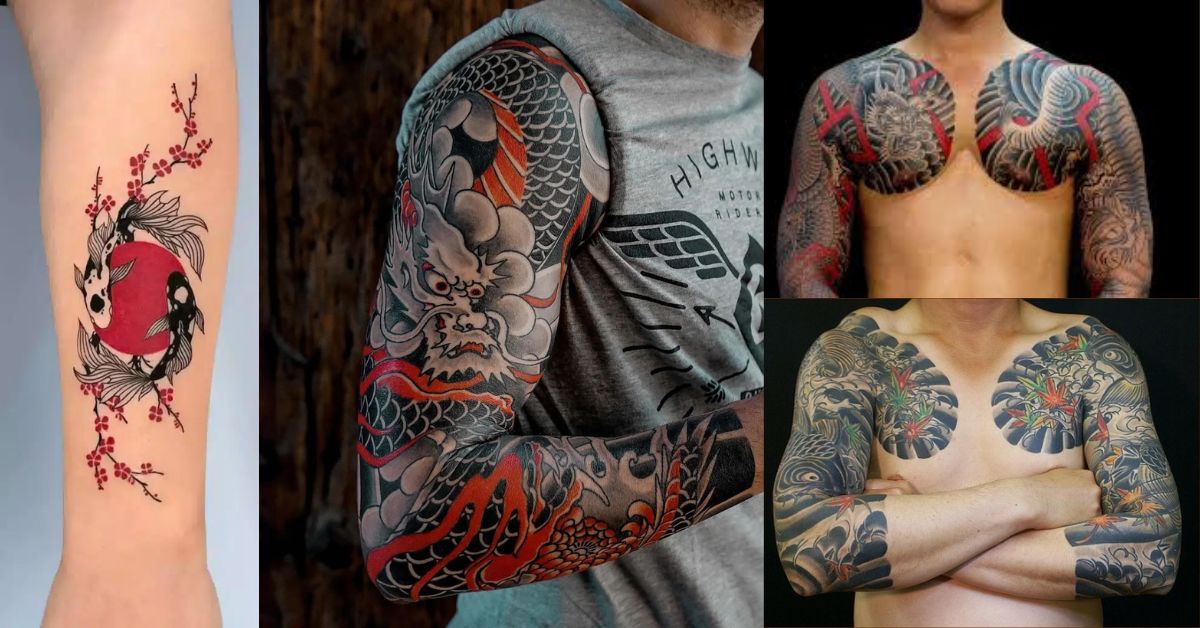
Japanese style tattoos, known as Irezumi or Wabori, boast a rich history that dates back centuries, serving not only as body art but as a reflection of cultural identity.
While in the West these tattoos are often seen as individual pieces, the traditional Japanese tattoo encompasses a full-body suit, creating a breathtaking tapestry of art that tells stories and honors heritage.
Understanding this art form is essential for appreciating its deep roots and significance in Japanese culture. By exploring the intricacies of traditional Japanese tattoos, readers will gain insight into their beauty and meaning.
Aesthetics
The aesthetics and subject matter of Japanese tattoos are deeply rooted in the rich history of Ukiyo-e, a genre of art that flourished during Japan’s Edo period. Ukiyo-e, meaning “Pictures of the Floating World,” captured the beauty of everyday life, nature, and folklore through vibrant woodblock prints.

These traditional artworks serve as a significant influence on modern tattoo designs, where elements like koi fish, cherry blossoms, and mythical creatures are frequently depicted.

The flowing lines and bold colors characteristic of Ukiyo-e not only enhance the visual appeal but also convey profound meanings, making each tattoo a narrative in itself.
Motifs & Subject Matter
The rich tapestry of Japanese tattoo art draws heavily from classic Ukiyo-e motifs, showcasing a variety of themes and figures that resonate deeply with cultural significance.
Iconic elements such as samurai warriors, tigers, koi fish, and folkloric figures often take center stage, while mythical creatures like dragons, kitsune, and foo dogs add layers of enchantment.

Each tattoo serves not only as a piece of art but also as a narrative steeped in tradition, where the choice of colors, placement on the body, and surrounding elements like water or flora can shift the interpretation and meaning entirely.
Also Read: 103+ Top Single-Word Tattoo Ideas
Tools Used
The art of tattooing in Japan has a rich history, deeply rooted in tradition and craftsmanship. Initially, artists used a manual technique known as Tebori, which involves a long bamboo or metal tool with a cluster of needles at the tip.

This method allowed for intricate designs and a unique texture that many enthusiasts still admire today. Although modern tattoo machines have become the standard for most tattoo artists, some skilled practitioners continue to embrace the Tebori method, celebrating its cultural significance and personal touch.
Conclusion
Japanese style tattoos are not just beautiful pieces of art; they carry deep meanings and stories that connect to Japan’s rich culture and history. From koi fish to cherry blossoms, each design reflects a unique symbol that can represent personal beliefs or experiences.
As you explore the world of Japanese style tattoos, it’s important to choose a design that resonates with you. These tattoos can serve as a lifelong reminder of your journey and values.
So, whether you are considering your first tattoo or adding to your collection, take the time to appreciate the artistry and significance behind Japanese style tattoos.